
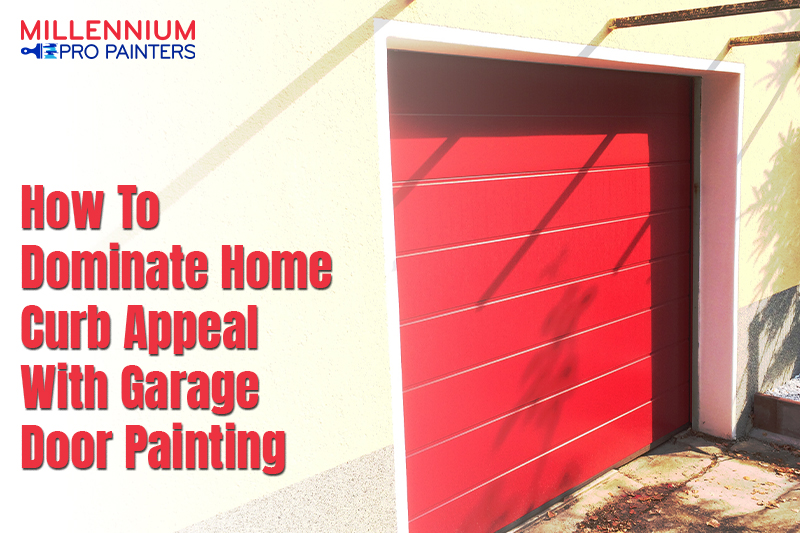
A dull or chipped garage door can make a house look worn. People notice it right away. Fresh paint can change that fast. The front of the home starts to feel brighter and more cared for. I have seen simple color updates make a big difference. Learning how to paint a garage door helps you get a smooth coat that holds up over time.
Now, picture the door with a clean color and sharp lines. It quietly lifts the whole look of the home. Many homeowners start with simple garage door painting tips before they begin. Things like surface prep and paint choice matter a lot. This guide walks through those steps, so the final finish looks neat and lasts.
Understanding Garage Door Materials
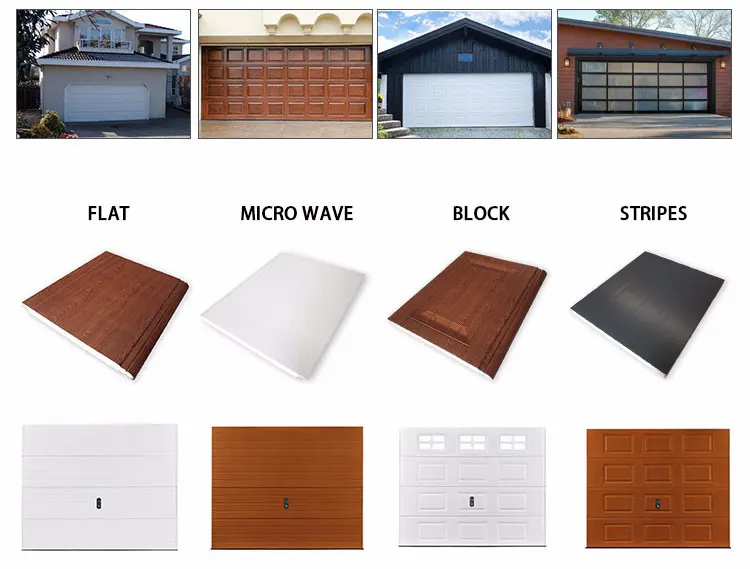
A quick look at your garage door tells you a lot. Some doors are thin metal panels with light ridges. Others are solid wood, often seen on older homes. Newer houses may use composite boards that look like wood but act differently. Each surface takes paint in its own way. Before you learn how to paint a garage door, garage door preparation check the material first. That small step saves time later.
Metal doors are very common now. Painting a metal garage door usually starts with a deep clean. Dust, grease, and small rust spots must go first. I once skipped that step, and the paint bubbled for months. A rust-blocking primer helps the paint hold tight. Many people follow simple garage door painting tips like light sanding and thin coats. The finish looks smoother and lasts much longer.
Choosing the Right Color and Finish
Color can change the whole look of a home. Some people pick soft gray, white, or beige. Modern garage colors These shades stay safe and classic for years. Others try deep blue or forest green for more character. When you plan to paint a garage door, think about the wall color and trim. The door should blend with the house, not fight it. Looking at a few garage door color ideas often helps before choosing.
Finish also matters more than most people expect. Matte paint hides small dents and marks. Satin has a soft shine and is easy to clean. Gloss reflects light and stands out from the street. I have seen satin work well on many homes because it balances looks and durability. Many homeowners test small samples first. That simple step prevents regret later.
Gathering Essential Tools and Supplies
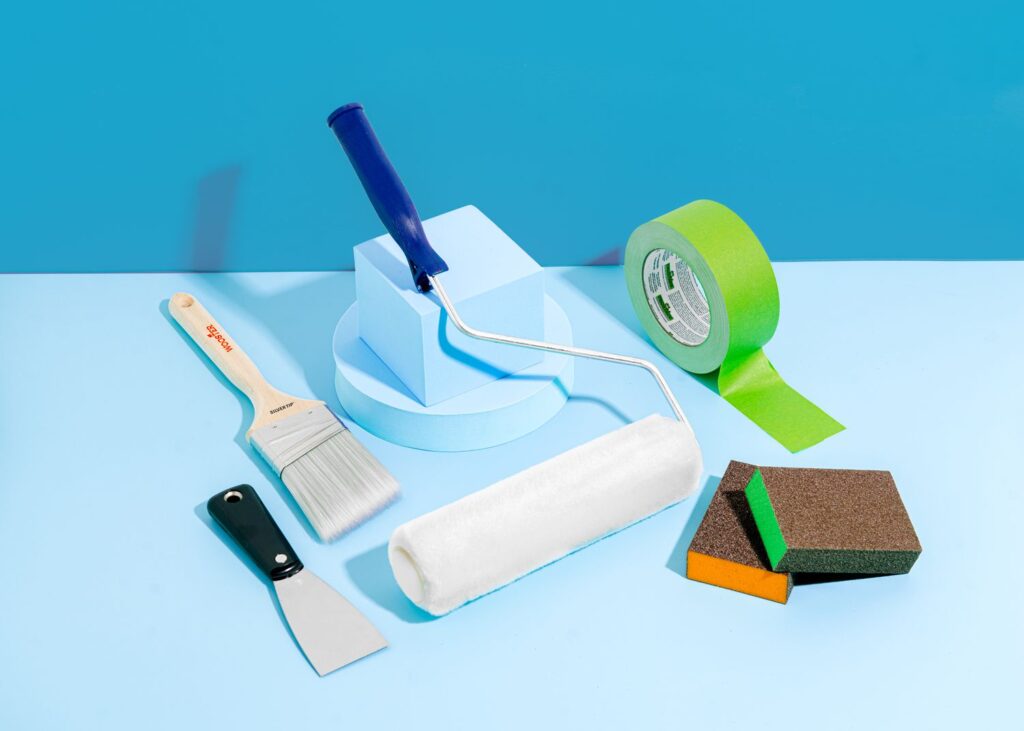
Before you paint a garage door, gather the basic tools first. A small roller works well for large panels. A brush helps reach edges and trim lines. You will also need sandpaper, painter’s tape, primer, and good outdoor paint. A clean cloth and a bucket of water help during prep. Many people forget simple items, then stop mid-job. Planning makes the work smoother.
Tools may seem simple, but they shape the final result. Cheap brushes can leave marks on the surface. A sturdy roller spreads paint in a more even layer. A good primer also helps paint stick better. When learning how to paint a garage door, these small choices matter. Many garage door painting tips stress using quality supplies. It saves time and avoids patchy spots later.
Priming for Long Lasting Results
Primer may seem like an extra step, but it helps the paint hold well. When you plan to paint a garage door, the surface must grip the color coat. Bare metal or raw wood often soaks up paint in uneven ways. Primer creates a base layer that keeps the finish smooth. I once skipped primer on a small panel. The color looked patchy within weeks.
Metal doors especially need this step. Painting a metal garage door without primer can lead to rust spots later. A thin, even coat works best and dries fairly fast. Many painters check the surface once more after it dries. Small rough areas can be sanded again before the color coat. That extra care helps the final paint look clean and even.
Painting Techniques for a Smooth Finish
- Brush and Roller – I usually start with a brush on corners and edges. A roller covers bigger panels. Keep strokes light and steady. Smooth paint finish Wet edges help the paint blend, and you avoid streaks. Sometimes I see people go too fast, and it leaves messy lines.
- Thin Coats Work Best – One thick layer never dries right. I wait for each coat to dry before adding the next. It looks cleaner and lasts longer. Even small doors benefit from this trick. Patience really pays off here.
Drying and Applying Multiple Coats
I usually let the first coat sit a good while before touching it again. The paint might look dry on top, but still feel soft underneath. Sun, wind, or even damp air can change drying time. One summer, I rushed a coat on a hot day, and it bubbled in spots. Waiting patiently makes a big difference when you paint a garage door.
Adding extra layers gives a richer look. Two or three thin coats cover old streaks and small scratches better than one heavy layer. I’ve seen doors look patchy when people skimp here. Many garage door painting tips suggest checking edges and corners before the next coat. It takes more time, but the finish lasts longer and feels smooth to the touch.
Reinstalling Hardware and Finishing Touches
Once the paint is dry, it is time to put the hardware back. I remove the painter’s tape slowly so the paint does not peel. Hinges, handles, and locks go back carefully. On a metal door, I check the screws for rust or looseness. Small fixes like this make the door look neat and complete.
Some people skip a clear coat, but I do not. A thin sealant protects the paint from the sun and rain. It keeps the color bright and stops scratches. Millennium Pro Painters Even wiping around handles after sealing makes the door look tidy. These little steps matter when you paint a garage door.
FAQS
Yes. Clean the door first and tape the edges. Use a small brush for corners. Work slowly. This method works well when you paint a garage door.
Wash dirt and rust first. Sand lightly. Apply primer and thin coats. Following painting a metal garage door, tips keep the surface smooth and prevent peeling for years.
Use a small angled brush for grooves and corners. Rollers cover flat panels. Thin coats and steady strokes give a neat, smooth finish quickly across the door surface.
Gloss shines but scratches easily. Satin or semi-gloss lasts longer and cleans more easily. Home style helps decide. These garage door color ideas guide your choice wisely.
Smooth wet paint with a brush or roller. For dry drips, sand lightly and add a thin coat. Careful work prevents streaks and uneven spots.