
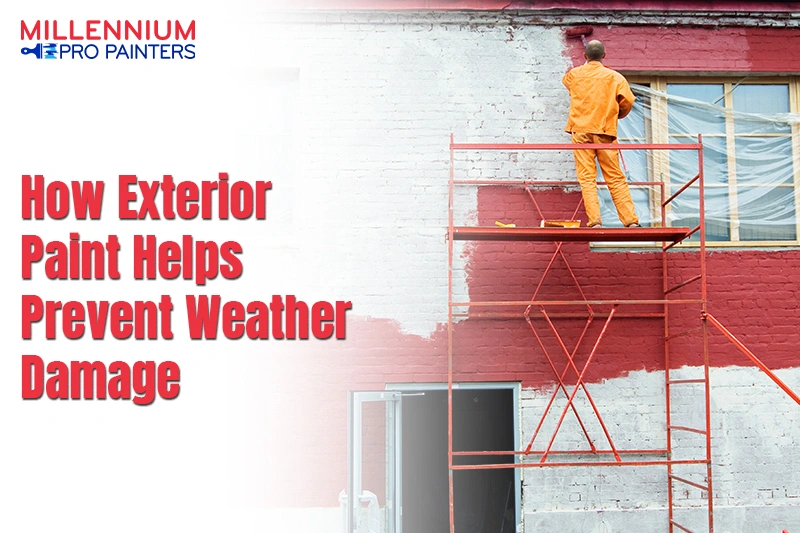
Rain, heat, and strong sunlight slowly damage outdoor walls every season. Paint may crack, peel, or fade when surfaces stay exposed too long. Weatherproof exterior paint helps block that damage before costly repairs begin. It creates a strong outer layer that shields siding, brick, and trim from harsh outdoor conditions. One homeowner repainted aging walls before storm season and later avoided deep moisture stains around window edges outdoors.
Modern paint products now contain stronger surface defense materials for longer outdoor performance. These coatings resist water, sunlight, and rough weather better than basic finishes. Weather-resistant paint also helps reduce surface fading and small wall cracks over time. Proper surface cleaning and careful application matter greatly for lasting results. Strong house exterior protection depends on quality materials, skilled preparation, and balanced coating across every exposed outdoor surface area.
Why Exterior House Painting Is Essential for Weather Protection
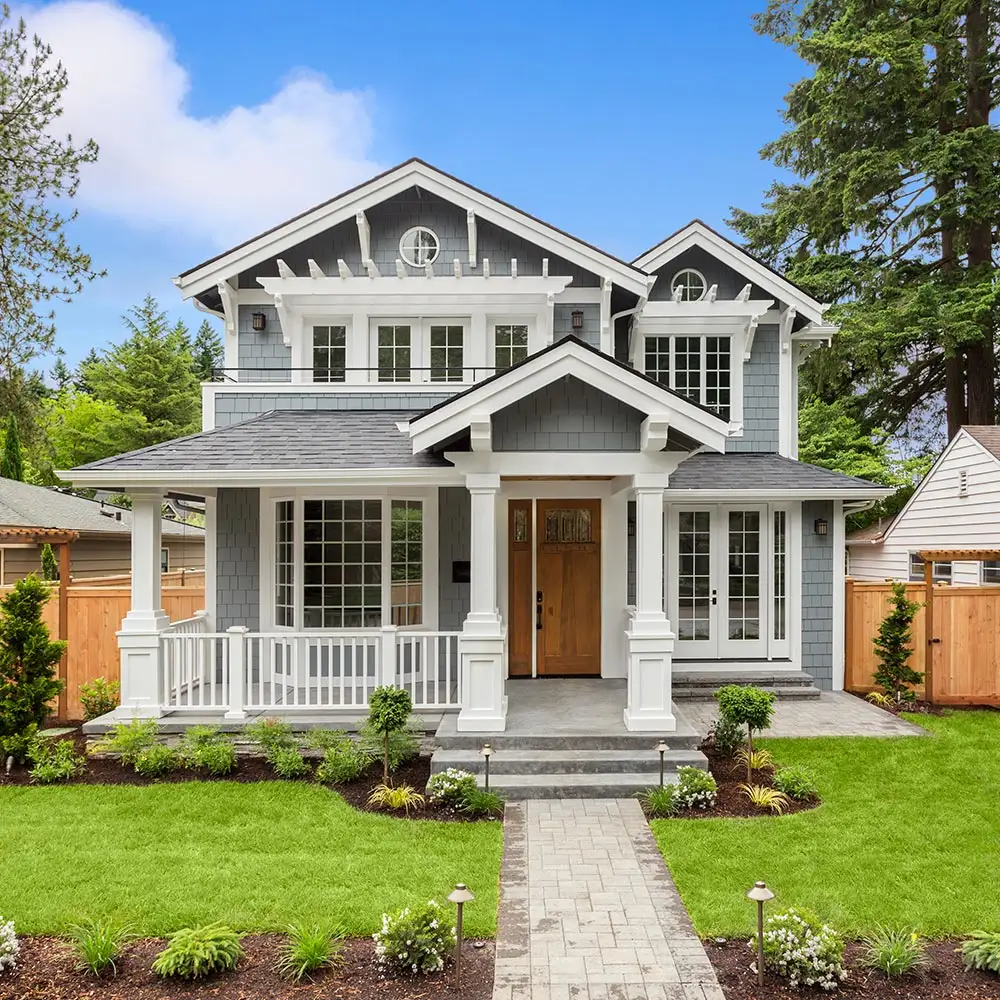
Strong sunlight, heavy rain, and damp air slowly weaken outdoor wall surfaces each year. Paint may peel, crack, or lose color after long weather exposure outdoors. Small surface gaps also allow moisture to enter below siding and trim areas. Professional exterior painting services help reduce those risks before serious structural problems appear. Proper coating keeps outdoor walls stronger, cleaner, and more stable through changing seasonal weather conditions.
Moisture often causes hidden wall damage behind peeling paint and cracked exterior surfaces. Water may spread into wood siding and support areas during storm seasons outdoors. One homeowner repainted aging trim before winter and later avoided costly moisture repairs around windows. Reliable waterproof exterior paint creates stronger surface defense against rain and humidity exposure. Long-term house exterior protection also improves property appearance while reducing future repair and maintenance expenses.
Types of Weather-Resistant Paint for Exterior Surfaces
Different outdoor surfaces need different paint solutions for stronger long-term weather defense. Older walls may need flexible coatings, while damp areas require stronger moisture-blocking products. Skilled painters inspect wall texture, cracks, and past damage before choosing materials. Good weatherproof exterior paint helps homes stay protected while keeping siding trim and exterior walls looking clean through changing outdoor conditions year after year, similar to the durability achieved with professional wood door painting.
Acrylic-Based Exterior Paint for Daily Weather Defense
Acrylic coatings work well on siding, brick, stucco, and wooden wall surfaces outdoors. These paints resist peeling, fading, and surface wear during changing weather conditions. Many homeowners choose this option for balanced durability and easier long-term upkeep. One family repainted faded garage siding with acrylic coating and noticed less surface cracking after summer heat exposure outdoors.
Elastomeric Coatings for Flexible Crack Coverage
Elastomeric coatings stretch across small wall cracks and rough exterior surfaces easily. This type works well on stucco concrete, and older walls with movement problems. Thick coverage also helps block rain from entering weak surface areas outdoors. Many contractors use these coatings on aging homes where basic paint may fail faster after seasonal temperature changes.
Waterproof Coatings for Damp and Rain-Exposed Areas
Heavy moisture often damages walls around foundations, windows, and shaded outdoor sections. Strong waterproof exterior paint helps stop rain absorption before deeper wall problems begin. This option works well for homes facing heavy storms or long, damp seasons outdoors. Proper moisture blocking also reduces peeling, bubbling, and soft wall areas caused by trapped water exposure later.
UV Resistant Paint for Strong Sunlight Exposure
Direct sunlight slowly fades paint and weakens outdoor wall surfaces over time. UV-resistant coatings help maintain color and reduce dry cracking during hot weather conditions. One homeowner painted sun-exposed siding before the peak summer months and later noticed better color retention outdoors. These coatings support longer surface life where strong sunlight reaches exterior walls daily.
Surface-Based Paint Selection by Skilled Professionals
Experienced painters choose products based on wall material age and outdoor exposure levels. Rough stucco may need thicker coatings, while smooth siding needs balanced absorption and coverage. Reliable weather-resistant paint performs best when matched correctly with the surface condition. Proper product choice helps outdoor paint last longer while improving moisture defense and overall exterior appearance.
Benefits of Professional Exterior Painting Services for Homes
Outdoor walls face constant stress from sunlight, rain, dirt, and changing weather conditions. Weak paint may crack, peel, or fade faster without proper surface treatment first. Skilled exterior painting services help protect siding trim and brick surfaces before larger damage appears. Many homeowners also notice a cleaner wall appearance and fewer repairs after proper painting work across exposed outdoor areas around the property, similar to the results achieved through a professional door refinishing service.
- Stronger Exterior Wall Durability
Professional coating helps walls resist surface wear from changing outdoor weather conditions. Treated siding and trim often stay smoother and stronger for many more years. - Better Property Appearance
Fresh exterior paint improves curb appeal and helps homes look newer from the outside. One homeowner repainted faded siding before selling and received stronger buyer interest afterward. - Protection Against Moisture Damage
Quality paint blocks water from entering small cracks and weak outdoor wall sections. This helps reduce peeling, bubbling, and soft surface damage after storms and damp weather. - Reduced Sun and Pollution Wear
Strong coatings help walls resist fading caused by sunlight, dust, and outdoor pollution exposure. Proper surface coverage also keeps exterior colors cleaner for longer periods outdoors. - Lower Future Repair Costs
Preventive painting reduces expensive repairs caused by trapped moisture and surface breakdown later. Early coating work often protects siding before structural damage spreads across outdoor walls. - Smoother and More Even Finish
Professional crews use better tools and preparation methods than most homeowners during painting work. Reliable house exterior protection depends on balanced coating, strong adhesion, and careful surface preparation before application begins.
Step-by-Step Exterior Painting Process for Weather Protection
Long-lasting paint protection depends on careful preparation and proper coating methods. Many outdoor paint failures begin with rushed cleaning or uneven surface treatment before painting starts. Skilled crews follow a full process to improve durability and reduce peeling, fading, and moisture problems later. Reliable exterior painting services help outdoor walls stay cleaner, stronger, and better protected through changing weather conditions across every season outdoors.
Step 1: Exterior Surface Inspection and Damage Review
Professionals inspect siding trim, brick, and wall surfaces before any painting begins outdoors. They check for cracks, peeling paint, mold stains, and moisture-damaged areas first. One contractor found hidden water damage behind loose siding during a routine wall inspection visit.
Step 2: Deep Wall Cleaning and Paint Removal
Dust, dirt, mold, and old peeling paint weaken new coating performance outdoors over time. Pressure washing removes buildup and prepares walls for stronger paint bonding later. Clean surfaces also help coatings dry evenly and reduce future peeling across exterior walls.
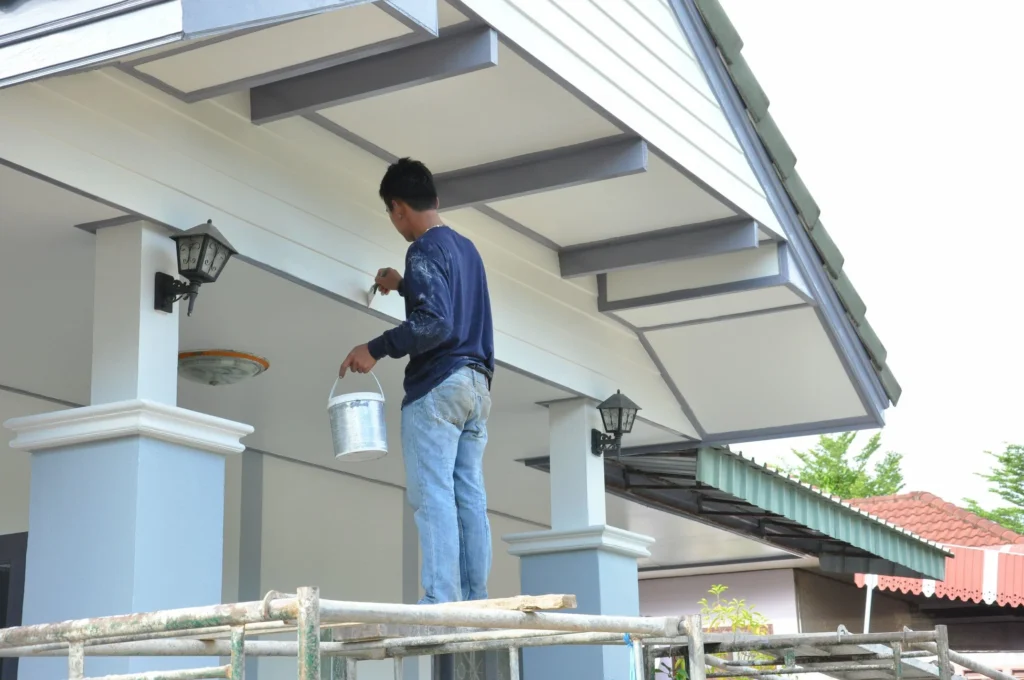
Step 3: Repairing Cracks and Surface Damage
Small wall cracks often grow larger after heavy rain and changing temperatures outdoors. Skilled crews repair damaged areas before the fresh paint application begins. Proper patching helps reduce moisture entry and creates smoother wall surfaces for stronger long-term exterior durability later.
Step 4: Sanding for Smooth Surface Preparation
Sanding removes rough texture and helps create balanced paint adhesion across outdoor walls. This step also smooths uneven patches left from old paint layers outdoors. Proper sanding improves the final appearance and helps the new coating spread evenly across the siding trim and wall sections.
Step 5: Primer Application for Better Paint Bonding
Primer creates a stable base that supports stronger paint hold and longer outdoor performance. It also seals repaired areas before the final coating starts on exterior surfaces. Many professionals use primer on older homes where previous paint damage affected the wall texture and coating stability.
Step 6: First Coat Application for Surface Coverage
The first layer of weatherproof exterior paint creates early protection against sunlight, moisture, and dirt exposure outdoors. Skilled painters apply even coverage across siding trim and brick areas carefully. Balanced application helps prevent streaks, uneven color, and weak coating sections later.
Step 7: Second Coat for Added Durability
Second coating improves color depth and strengthens weather resistance across outdoor wall surfaces. One homeowner added another protective layer before storm season and later noticed less peeling around exposed window trim outdoors. Extra coverage also supports longer-lasting paint performance and a cleaner exterior appearance.
Step 8: Final Inspection and Touch-Up Work
Professional crews inspect every painted area after drying finishes across the property completely. They correct missed spots, rough edges, and uneven sections before project completion. Final touch-ups improve overall appearance and help exterior surfaces maintain stronger protection against future weather-related damage outdoors.
How Exterior Paint Prevents Wall Cracking and Fading
Outdoor walls expand during heat and tighten again during colder weather changes. This movement slowly creates small cracks across siding, stucco, and painted brick surfaces. Flexible coatings help walls handle that stress without early surface damage outdoors. One homeowner repainted sun-exposed siding before summer and later noticed fewer visible wall cracks afterward. Strong weather-resistant paint also helps reduce fading caused by long daily sunlight exposure outdoors.
Proper coating thickness plays a major role in long-term wall durability outside. Thin, uneven paint layers often peel faster and expose walls to moisture damage later. Skilled crews apply balanced layers for stronger color hold and surface stability outdoors. Reliable professional exterior painting to prevent wall cracking and fading helps reduce surface wear while keeping exterior walls cleaner, smoother, and protected through changing seasonal conditions.
House Exterior Protection Against Rain and Sun Damage
Rainwater often enters small cracks around siding trim and painted wall surfaces outdoors. Once moisture spreads below paint layers, it may weaken wood stucco and brick areas slowly. Strong coatings help block water before more serious structural damage begins later. One homeowner repainted aging exterior walls before storm season and avoided large moisture stains near window frames afterward through proper surface treatment outdoors, similar to the lasting finish achieved in a quality door staining transformation.
Strong sunlight also weakens paint and dries exterior materials over many seasons outside. Faded walls, peeling trim, and rough surfaces often appear after long heat exposure outdoors. Reliable house exterior protection depends on strong coating layers and proper moisture defense systems. Understanding how exterior house painting protects against rain and sun damage helps homeowners reduce future repairs while keeping outdoor surfaces stronger, cleaner, and visually balanced longer.
Long Lasting Exterior Home Maintenance Strategies
Outdoor paint lasts longer when homeowners follow regular care and inspection routines. Small cracks, dirt buildup, and faded areas often appear before major wall damage begins. Good exterior home maintenance helps protect siding trim, and painted surfaces from costly future repairs. Many homeowners avoid early repainting by checking outdoor walls and cleaning exposed surfaces during seasonal weather changes every year.

Schedule Regular Exterior Inspections
Check painted walls, trim, and siding every few months for early surface damage. Small peeling spots often become larger problems after heavy rain and heat exposure outdoors.
Clean Painted Surfaces Carefully
Dust, mold, and dirt slowly weaken paint coating across outdoor wall surfaces over time. Gentle washing helps walls stay cleaner and supports stronger paint life outdoors longer.
Watch for Early Paint Damage Signs
Fading, bubbling, and small cracks usually signal weakening surface protection outside the home. One homeowner repaired peeling trim early and avoided costly siding replacement after the storm season arrived later.
Handle Minor Repairs Quickly
Fast repair work helps stop moisture from spreading below painted exterior surfaces outdoors. Small touch-ups often protect walls better than waiting for larger visible damage later.
Maintain Gutters and Drainage Areas
Overflowing water may stain walls and weaken painted surfaces during rainy weather conditions outdoors. Proper drainage also helps reduce moisture around siding and lower exterior sections.
Use Professional Maintenance Support
Reliable exterior painting services help homeowners inspect, repair, and maintain painted surfaces correctly. Skilled crews often spot hidden wall problems before major exterior damage spreads across the property.
Affordable Exterior Paint Coating for Weather Protection
Exterior painting costs often depend on wall condition, surface size, and paint quality chosen. Older homes may need extra repairs, cleaning, and primer before coating begins outdoors. Premium products usually cost more at first, but often last longer through rough weather conditions. One homeowner selected stronger paint for exposed siding and later avoided yearly touch-up expenses after heavy seasonal storms outdoors.
Lower-grade paint may peel, fade, or crack faster after sunlight and moisture exposure outside. Frequent repainting often increases long-term maintenance costs for many homeowners later. Reliable exterior painting services help improve coating durability through proper preparation and balanced paint application methods. Choosing affordable exterior paint coating for weather protection with skilled installation often saves more money than repeated low-cost repainting over several outdoor seasons, much like selecting durable finishes for different exterior door styles.
Best Weatherproof Exterior Paint Services for Homes
Choosing skilled painters helps homeowners avoid peeling, fading, and uneven wall coverage later. Experienced crews understand surface preparation, moisture defense, and proper coating methods for outdoor durability. Many property owners review past projects before hiring painting contractors for exterior work. One family selected a company after viewing restored siding photos from nearby homes with similar weather exposure and wall conditions outdoors.
Strong materials and reliable service guarantees also affect long-term painting performance greatly. Trusted contractors explain product choices, coating steps, and future maintenance needs clearly. Reading customer feedback often helps homeowners understand work quality and project reliability before hiring crews. The best weatherproof exterior paint services for homes usually provide strong surface preparation and durable weatherproof exterior paint application for cleaner, longer-lasting outdoor wall protection.
Common Exterior Painting Mistakes and Professional Solutions
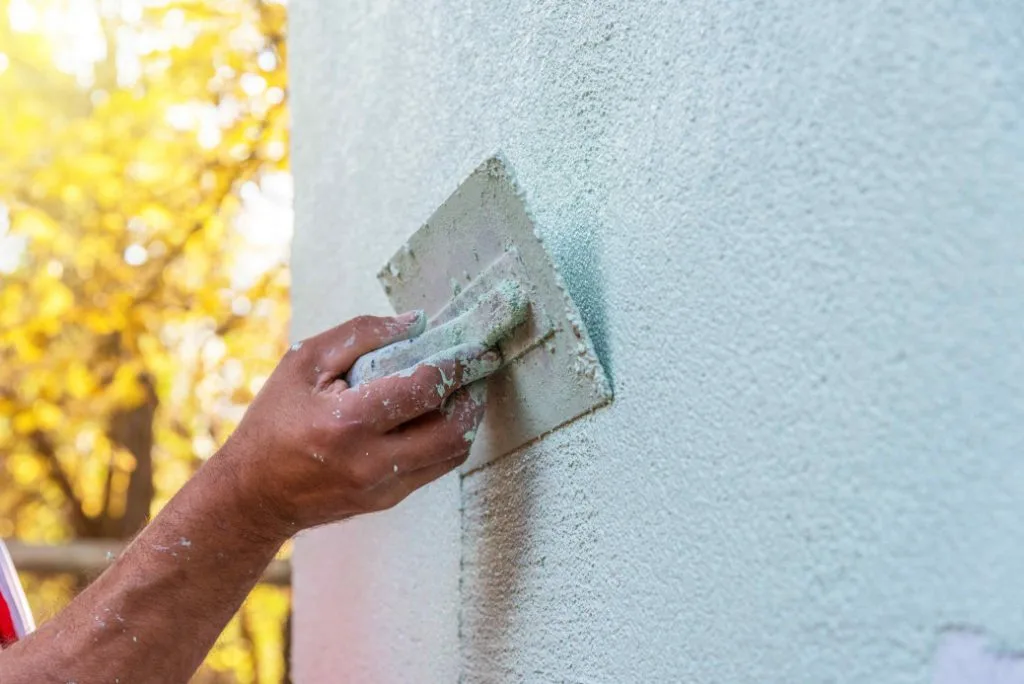
Many outdoor paint problems begin with rushed preparation and poor product choices. Homeowners often focus on color while ignoring surface condition and weather timing first. Small mistakes may lead to peeling, fading, or uneven wall coverage later. Skilled exterior painting services follow careful preparation and coating steps that help outdoor walls stay cleaner, stronger, and protected through changing weather conditions over many seasons, as highlighted in these home transformation tips.
- Skipping Surface Cleaning Before Painting
Dust, mold, and peeling paint weaken coating adhesion across outdoor wall surfaces quickly. One homeowner painted dirty siding and noticed bubbling paint after several months of rainy weather exposure outdoors. - Using Low Quality Paint Products
Cheap paint often fades, cracks, or peels faster after exposure to sunlight and moisture outside. Stronger products usually provide better surface durability and longer outdoor color protection over time. - Applying Thin or Uneven Paint Layers
Weak coating thickness leaves walls exposed to moisture, dirt, and harsh weather conditions. Uneven coverage may also create visible patch marks across siding and exterior trim areas later. - Painting During Poor Weather Conditions
Rain, high humidity, and extreme heat affect paint drying and surface bonding outdoors. Fresh coating may peel sooner when application happens during unstable outdoor weather periods. - Ignoring Small Wall Cracks and Damage
Unsealed cracks allow moisture to spread below painted surfaces over time outdoors. Proper repair work helps reduce future peeling and deeper wall deterioration problems later. - Lack of Proper Primer Application
Primer helps paint bond correctly with siding brick, and repairs exterior surfaces outdoors. Missing this step often reduces coating strength and long-term wall durability significantly. - No Long-Term Maintenance Planning
Outdoor paint needs regular checks and small touch-ups for lasting surface protection. Reliable weatherproof exterior paint performs best when homeowners handle early damage before larger repairs become necessary.
Exterior Painting vs DIY Painting Performance Comparison
Many homeowners compare personal painting projects with professional outdoor painting work. Basic tools and store-bought products may handle small touch-ups, but larger surfaces need deeper preparation and balanced coating methods. One homeowner painted exterior siding alone and later noticed uneven fading after one summer season outdoors. Professional exterior painting services usually provide smoother coverage, stronger durability, and a cleaner wall appearance for longer periods.
Professional crews also use stronger equipment and better surface repair methods before painting begins. High-quality primers, sprayers, and coatings improve paint adhesion and weather resistance outdoors. Reliable weather-resistant paint performs better when applied with correct layering and drying methods. Skilled teams also complete projects faster and reduce future repair costs through proper preparation, careful application, and long-term surface protection planning outdoors, with trusted services available from Millenium Pro Painters.
FAQS
Weatherproof exterior paint creates a protective wall coating against rain, sunlight, and dirt exposure. It helps reduce peeling, fading, moisture damage, and outdoor surface wear.
Professional exterior painting services help seal outdoor walls against moisture, sunlight, and surface cracking. Proper coating also improves durability and reduces future repair costs outdoors.
Strong acrylic and elastomeric coatings often provide the best long-term outdoor wall protection. Quality weather-resistant paint also helps reduce cracking, fading, and peeling issues.
Reliable waterproof exterior paint blocks moisture from entering cracks and weak wall sections outdoors. This helps prevent peeling soft surfaces and more serious structural damage later.
Skilled painters clean, repair, sand, and prime surfaces before coating begins outdoors. Proper layering also supports professional exterior painting to prevent wall cracking and fading longer.