

Most fences fail early due to neglect and poor care habits. Small issues grow fast without simple routine checks. This guide shares real fence maintenance tips from hands-on work. You will learn what matters and what wastes time. The goal is fewer repairs and longer fence life. These maintenance tips focus on simple actions that prevent damage.
You might notice fences age faster in harsh weather. Wood fence maintenance tips often fail without basic protection steps. Knowing how to maintain a fence saves stress and money. As a trusted wood fencing expert, we share advice from years of repair jobs. Follow clear steps that actually work and get practical help not theory or sales talk.
Why Regular Fence Maintenance Matters?
Prevent Costly Damage Early
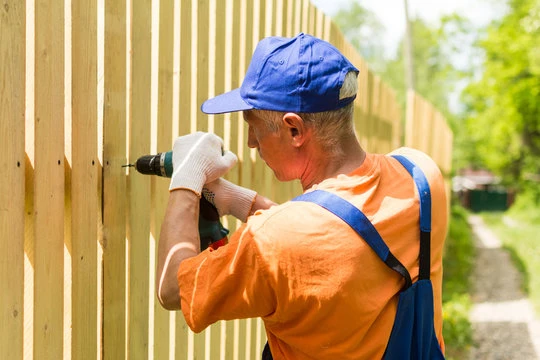
A well-cared fence lifts curb appeal and avoids surprise repairs later. Small cracks grow fast when ignored. Fence care guide habits stop water soak and sun wear. You gain control before boards fail. This approach keeps repairs simple and budgets steady. Real checks beat rushed fixes every time.
Weather Protection Saves Structure
Weather hits fences daily through heat, rain, and wind. Learn how to protect the fence from the weather with simple steps. Seal surfaces block water entry. Shade control slows dry splits. These actions reduce warping and loose posts. You might notice a longer life with fewer touch-ups.
Easy Care That Fits Real Life
Many owners skip care due to time stress. This plan fits busy weeks. Follow a short routine that feels doable. Use seasonal fence maintenance checks with tips. Walk the line and look closely. Fix small flaws early. You gain peace without weekend burnout.
Start Thorough With a Fence Inspection and Maintenance Tips
Spot Surface Damage Early
Regular fence inspection starts with slow visual checks. Walk the full length with care. Look for loose boards that move under light pressure. Panels may bow or pull apart over time. These signs show stress and weak joints. Early notice helps avoid larger fixes later.
Check Wood and Fasteners
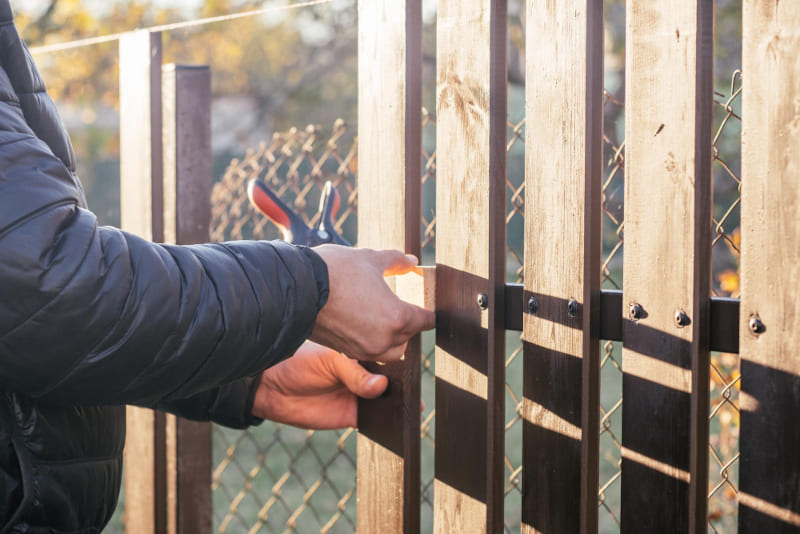
Move closer to inspect fence posts and rails. Rotting wood feels soft or flakes apart. Cracks often form from sun and moisture cycles. Loose nails or screws reduce holding power. Touch each fastener and test grip. Tight parts keep the structure firm and quiet.
Review Post Stability
Posts hold the full fence weight. Inspect fence posts for lean or sink. Push gently to test ground hold. Sagging sections mean soil shift or rot below grade. These issues grow fast when ignored. A quick fence check after storms shows problems early. This habit saves time, money, and repair stress later.
Clean Your Fence for Longevity
Best Cleaning Techniques
Fence cleaning tips work best when cleaning feels simple and routine. Clean the fence regularly to stop buildup before damage starts. Begin with a garden hose and steady water flow to remove loose dirt quickly. Use mild soap only if marks remain, and a soft brush to lift grime without harming the wood. Professional wood staining helps protect boards, keeping them smooth and easy to inspect later. Dirt and mildew hold moisture against the fence surface, and that moisture causes slow damage over time.
Clean the fence regularly to break this cycle early. Focus on spots where they grow fast. Scrub smoothly and rinse well. Let the fence dry fully in open air. Dry boards last longer and look better. Pressure wash the fence only when light cleaning fails. Strong spray can scar wood fast. Keep space from boards. Move in smooth passes. Careful use clears deep grime without weakening the structure.
Seal Stain and Protect Wood Fences
Why Sealing Matters?
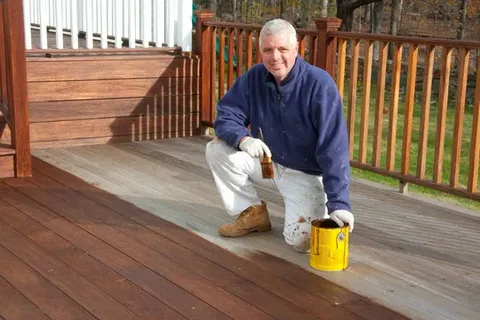
Wood fence maintenance fails fast without surface protection. Rain soaks into bare boards and causes slow decay. Sun dries wood and leads to fading and cracks. Sealing creates a barrier that blocks moisture entry. It also slows color loss from long sun exposure. Seal and stain wood fence surfaces to reduce rot risk. This step keeps boards strong longer.
How Often to Seal or Stain?
Many owners wait too long between treatments. That delay causes serious damage. Most fences need sealing and staining every few years. Check boards yearly for dry or dull areas. Wood fence and maintenance tips work best with planned care. Regular sealing avoids costly board replacement later.
Simple Protection Tips
Clean the fence before sealing work begins. Dry wood absorbs seal better. Apply during mild weather for even coverage. Use steady strokes and avoid rushed work. Focus on joints and lower boards first. These areas face more moisture. This method makes protection last longer and reduces repeat work.
Fix Minor Damage: Early Fence Maintenance Tips
Small fence problems rarely stay small for long. A loose board today can become a full section failure later. Early action keeps the repair of fence damage simple and low-stress. This approach helps prevent wood rot before it spreads. Regular protect fence from the weather checks saves money and avoids full rebuild work. You stay ahead instead of reacting late.
Simple Repair Tips
Start by replacing boards that feel soft or cracked. Rotted wood weakens nearby sections fast. Fix these spots to prevent wood decay spread. Pull out loose screws and nails by hand. Hardware loosens from wind and daily movement. Straighten leaning sections before posts shift deeper. Firm support restores balance and strength quickly.
When Minor Repairs Prevent Big Problems
Small fixes stop water entry and joint strain early. Moisture causes decay when ignored for too long. Repair fence damage as soon as you see it. This habit avoids panel collapse and post failure. You might notice fewer issues each season. Early repairs reduce cost and time.
Vegetation and Ground Care Tips
Keep Area Around Fence Clear
Vegetation control around the fence begins with space for air flow. Plants pressed against boards trap water fast. Cut bushes and vines, and trim the grass. The plants grow faster than expected. Leave space along the fence and avoid soil or mulch at the base. Wet ground speeds damage and hide early warning signs.
Manage Ground Moisture Levels
Ground moisture causes more fence damage than people expect. Water stays longer where shade and plants exist. Slope soil away from posts when possible. Check drainage after heavy rain. Standing water weakens posts over time. Dry ground helps wood stay strong and last longer. This step supports long-term fence stability.
Why This Care Matters?
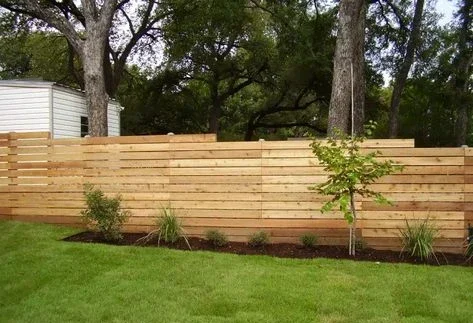
Open space lets boards dry faster after rain. Dry wood resists mildew and decay longer. Vegetation control around the fence also limits insects. Bugs hide where plants touch wood. Clear ground makes inspections easier. You spot rot cracks or tilt sooner. This habit protects the most vulnerable fence areas. Simple ground care prevents costly repairs later.
Seasonal Fence Maintenance Checklist
Spring Routine
Seasonal fence maintenance and tips should begin once cold weather ends. Winter often hides damage you cannot see. Start with a deep clean to wash away dirt and salt. This helps reveal cracks or soft wood early. Check post stability by pushing gently. Soil shifts during freeze can loosen support. Fix movement now to avoid leaning later. Look closely near ground level where rot starts first. Spring care resets the fence for a strong year ahead.
Summer Care
Heat and sun slowly wear down fence boards. Seasonal fence maintenance during summer helps limit that stress. Walk the fence during clear daylight and look for fading, dryness, or surface cracks. Sun weakens wood over time without notice. Touch boards to feel dryness, and tighten loose hardware caused by heat expansion. Watch shaded areas where moisture lingers. Our customer-satisfied projects show that short checks during summer prevent long-term damage and keep fences lasting longer.
Fall Prep
Fall brings fast plant growth and falling leaves. Seasonal fence maintenance now protects against winter moisture. Trim bushes, vines, and grass away from boards. Clear leaves and debris from the base. Trapped matter holds water against wood. Clean ground helps air move freely. This step protects the lower boards before the cold arrives.
Winter Readiness
Winter care focuses on weight and moisture control. Remove heavy snow when safe to do so. Wet snow adds strain to panels. Watch moisture near posts during thaw periods. Seasonal fence maintenance in winter reduces spring repair stress later.
Mistakes to Avoid When Maintaining Fences
Using Harsh Chemicals
Many people think strong cleaners work better. They often damage wood fibers instead. Harsh chemicals dry boards fast and cause cracks. This mistake shortens fence life quickly.
Ignoring Early Signs of Rot
Small soft spots are easy to miss. Some owners ignore them until boards fail. Rot spreads faster than expected. Late fixes cost more time and money.
Letting Plants Touch the Fence
Vines, grass, and bushes grow fast. When they touch wood, moisture stays trapped. This leads to mold and decay. Many people forget this simple rule.
Skipping Checks After Storms
Storms loosen posts and hardware. Some owners never recheck the fence. Small shifts become big alignment problems later. This step is often forgotten.
Rushing Repairs in Bad Weather
Fixing fences during wet days causes issues. Sealers fail on damp wood. Repairs done too fast often do not last. Waiting saves effort and stress later.
Conclusion
Fence care works best when the routine stays simple. Regular checks help spot issues before they grow. Light cleaning keeps dirt from causing damage, while sealing helps block water and harsh sun. Quick repairs stop weak spots from spreading. Millennium Pro Painters recommends these fence maintenance tips to keep costs low, stress away, and avoid major problems by staying ahead early.
A clear care routine protects your investment long term. Fences last longer when attention stays consistent. Outdoor spaces look better through every season. Small actions save time and money over the years. This approach keeps work light and results strong. Stick to the routine, and fence care feels manageable year-round. Start your fence care today or call a local pro for help.
FAQs
Most fences need care a few times each year. Quick checks every season work well. This fence care guide favors steady habits over rare heavy work.
Yes, but only with care. Keep pressure low and distance steady. Test a small spot first. This helps avoid surface damage and deep scars.
Keep wood dry and clean often. Seal exposed areas before rain seasons. Replace soft boards early. This is how to maintain a fence without stress.
Sealing blocks water and slows sun wear. Clear plants away from the boards. Air flow helps wood dry faster after rain.
Repair when damage stays small and local. Replace parts when rot spreads or strength fails. Early action saves money and effort over time.