
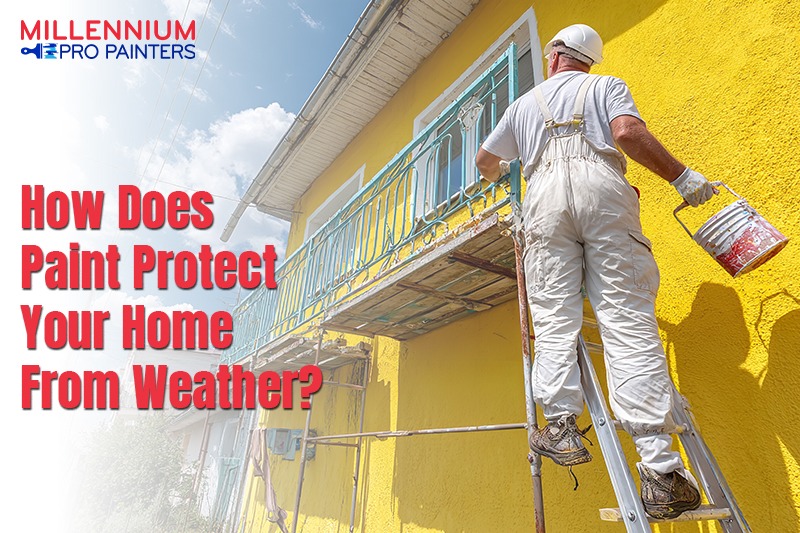
Your home faces harsh weather every single day. Rain soaks walls, and the sun dries surfaces fast. Wind throws dust that slowly wears siding down. Many owners ignore paint until cracks appear. Then water seeps in, and repair costs rise. I have seen small gaps turn into major fixes. The good news is simple. Paint protects the home from the weather when applied the right way. Strong exterior layers block moisture and slow surface wear.
This is not just about color. It is real exterior paint weather protection that keeps the structure firm. In this guide, you will see how paint protects a home from the weather step by step. We will cover rain defense and sun control. You will learn how it helps prevent siding damage. We will also explain smart home weatherproofing with paint. By the end, you will know what works and why. Paint increases home value, offering both protection and appeal for potential buyers.
Why Paint Is Essential for Weather Protection?
Harsh weather can break down your home faster than you expect. Rain soaks into weak siding. Sun dries, and cracks trim. Wind pushes dust into small gaps. I have repaired homes where old paint failed too soon. That is why paint protects a home from the weather in a real and practical way. It works as the first shield between your structure and harsh seasons. Strong weather protection paint helps reduce long-term repair costs and keeps surfaces firm.
Stops Moisture Before It Spreads
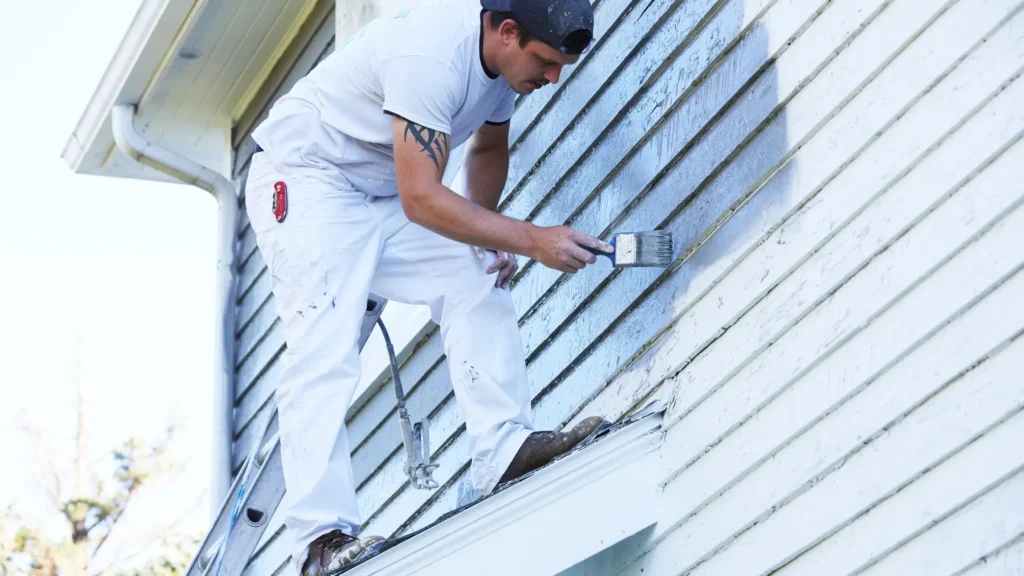
Water causes most exterior damage. Once it seeps into wood, it spreads behind boards. Paint seals tiny pores on the surface. This helps paint to prevent water damage before rot begins. A sealed wall stays dry and stable for years.
Reduces Sun and Heat Damage
Sunlight breaks down raw surfaces over time. Heat dries siding and causes cracks. Good paint reflects harsh rays and slows fading. It also helps protect the home from the sun and rain in tough climates. This layer supports long-term color hold and strength.
Shields Against Wind and Debris
Wind carries sand and grit that scratch bare siding. Small scratches allow water to enter. Long-lasting exterior paint forms a firm surface barrier. This adds real house exterior protection in rough weather. Walls stay cleaner and less worn.
Prevents Costly Structural Repairs
When paint fails, repair bills rise fast. Wood can warp, and trim may split. Strong paint for home durability keeps surfaces sealed. Exterior coating protection reduces the need for major fixes. Proper paint now saves high costs later.
How Paint Shields Against Water Damage
Water causes more exterior problems than most owners expect. Rain keeps hitting your walls throughout every season. Small cracks let moisture move inside fast. I have repaired siding where weak paint failed early. That is why paint protects the home from the weather in very practical ways. A strong layer works as a tight seal. It slows water entry and protects the core structure. This is the base of real exterior paint weather protection.
Rain and Moisture Protection
Quality exterior paint forms a surface barrier. That barrier keeps rain from soaking into wood and trim. It helps paint to prevent water damage during long storms. When applied with proper prep, it seals tiny gaps. This step helps prevent siding damage before rot begins.
Preventing Rot and Mold
Moisture trapped inside walls leads to decay. Damp wood invites mildew growth over time. Sealed surfaces reduce this risk. Dry siding keeps its shape and strength longer. Proper coating supports clean and solid exterior walls.
Paint Protects Your Home from Sun Damage
Strong sunlight wears down exterior surfaces faster than most expect. Heat dries wood and causes small cracks. Over time, color fades, and siding weakens. I have seen boards split from long sun exposure. This is where paint protects the home from the weather in direct ways. A solid layer shields surfaces from daily UV stress. Good paint supports long-term exterior coating protection and reduces surface breakdown.
UV Rays and Fading
UV rays break down raw materials slowly. UV protection paint blocks much of that harsh light. It slows fading and keeps color rich. It also helps surfaces resist surface chalking. This protection extends the life of siding and trim.
Maintaining Exterior Durability
Sun-resistant weather-resistant coatings add strength to exposed areas. They help siding decks and trim stay firm. Painted surfaces resist drying and surface cracks. This supports paint for home durability in hot climates.

Paint as a Barrier Against Wind and Temperature
Wind and heat stress your exterior every day. Small gaps allow cold air and dust inside. Over time, surfaces start to weaken. I have seen trim split from daily heat swings. This is where paint protects the home from the weather in a quiet but steady way. A strong coat supports home weatherproofing with paint and adds surface stability. It acts like a thin shield that reduces outside stress. Paint the fence without hassle and keep your home’s exterior looking fresh and protected.
Insulation Benefits
High-quality paint fills tiny surface cracks. It seals gaps where wind could enter. This helps reduce air movement through weak spots. Sealed siding holds up better in harsh climates. A tight surface keeps materials firm longer.
Reducing Expansion and Contraction Damage
Daily heat shifts cause materials to expand and shrink. Repeated stress leads to splitting and warping. Paint adds a flexible surface layer. That layer helps surfaces handle temperature swings. This reduces visible cracks over time.
Paint Increases Home Longevity and Value
A well-painted home lasts longer and looks cared for. I have seen two homes built in the same year age very different. The one with steady upkeep held strong. This is because paint protects the home from weather and slows surface wear. Long-lasting exterior paint forms a shield against daily stress. It helps protect the home from the sun and rain throughout every season.
Long Term Protection
Regular painting keeps siding and trim sealed. Fresh coats of paint support home durability over time. Sealed wood resists cracks and surface wear. Exterior walls stay firm and stable for years. Simple upkeep now avoids heavy repairs later.
Boosting Curb Appeal and Market Value
Buyers notice clean and solid exteriors first. Faded siding sends the wrong signal. A smooth finish shows care and upkeep. Homes with fresh paint attract stronger offers. Value rises when surfaces look protected and maintained.
Common Mistakes That Reduce Paint Weather Protection
Many paint jobs fail too early. Most times, the issue is not the weather. It is the process. I have fixed many homes where simple steps were skipped. When done wrong, exterior coating protection does not last. Even good weather-resistant coatings will fail without care. Let us look at common mistakes that reduce results.
Skipping Surface Preparation
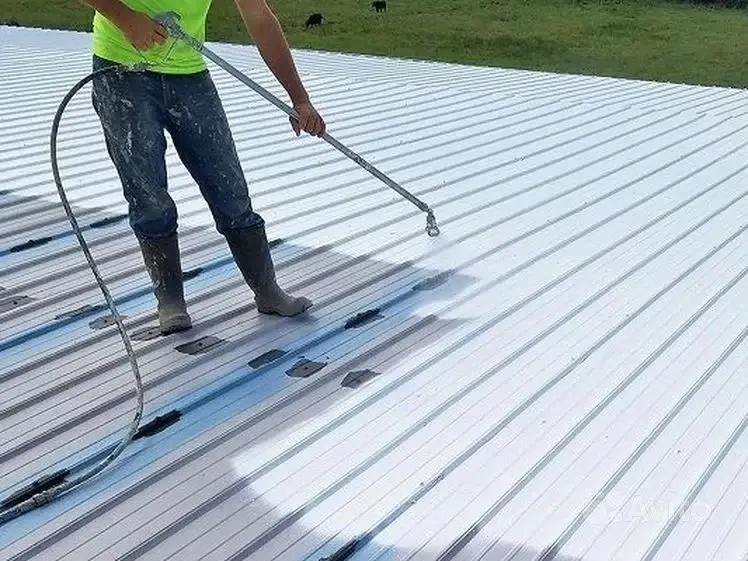
Paint will not stick to dirt or loose flakes. Old peeling layers must be scraped first. Surfaces need cleaning and drying before painting. Skipping prep leads to early peeling. The new coat lifts within months.
Using Low Quality Paint
Cheap paint may look fine at first. It fades and cracks much faster. Thin formulas offer weak exterior coating protection. Weather-resistant coatings must handle sun and rain. Low-grade products cannot do that well.
Painting Over Damp Surfaces
Moisture trapped under paint causes bubbles. Damp wood weakens adhesion. Always check that siding is fully dry. Paint needs a clean, dry base to bond.
Ignoring Proper Application Thickness
Some apply paint too thin to save cost. Thin layers wear out quickly. Proper coverage builds real surface strength. One rushed coat is not enough.
Delaying Repainting Too Long
Waiting too many years causes surface damage. Small cracks turn into deep splits. Timely repainting keeps protection strong. Regular care avoids heavy repair work. New paint boost aluminum surfaces, enhancing durability and extending the life of your home’s exterior.
Best Practices for Painting to Maximize Weather Protection
A lot of paint jobs fail for simple reasons. Most times, the paint was not the problem. The steps before and during the job were rushed. I have seen new paint peel within one year. That usually comes down to prep and timing. When done right, paint protects the home from the weather in a real way. Good planning leads to strong exterior paint weather protection that lasts.
Proper Cleaning and Primer
Start with a clean surface. Remove dust, loose paint, and grime. Let the siding dry fully before moving ahead. Use a solid primer on bare areas. Primer helps the top coat grip tightly and stay firm.
Choosing the Right Paint Type
Pick weather-resistant coatings made for exterior use. Elastomeric paint works well on rough surfaces. Strong formulas flex with heat and cold.
Timing Your Paint Project
Paint during mild dry days. Avoid heavy heat or damp air. Good timing supports proper bonding and smooth curing.
Why High Quality Exterior Paint Matters?
Most people think paint is just for looks. That is not true; good exterior paint works like a shield for your home. It blocks rain before water sinks in. It slows sun damage that dries and cracks wood. I have seen bare siding fail within a few years. With the right coating, paint protects the home from the weather and keeps the walls solid. Strong paint lowers repair costs and reduces upkeep stress over time. Painting your home is an investment that ensures lasting protection and beauty.
Key Features That Make Paint Weatherproof
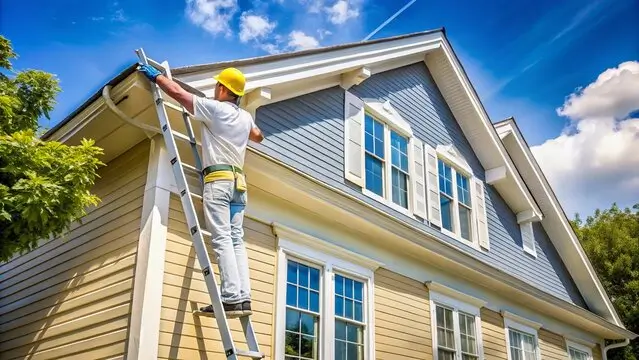
Weatherproof paint must handle real-world stress. It needs strong waterproofing to stop peeling and moisture entry. UV protection paint helps stop fading and surface breakdown. Flexible formulas move with heat shifts to avoid cracks. Dirt-resistant surfaces stay cleaner and need less washing.
Best Paint Types for Tough Conditions
Acrylic latex paint holds up well in most climates. It bonds tight and resists peeling. Elastomeric paint forms a thick, flexible coat. It works great on stucco and masonry. Some exterior paint weather protection products are built for heavy rain and high humidity.
Simple Tips for Long Lasting Results
Pick satin or semi-gloss finishes for better results. Light colors reflect heat and are long-lasting. Clean and prime before painting every time. Check walls every few years and repaint when needed.
Conclusion
This guide covered how paint protects a home from weather damage. The main goal was to show why exterior paint matters. Good paint blocks rain and harmful UV rays effectively. It prevents costly water damage and wood rot. Quality coats last between five and ten years easily. These findings prove that paint is your cheapest defense.
Proper exterior painting saves thousands in future repairs. Weather-resistant coatings keep your home strong for years. Homeowners should inspect their walls every spring. Early action prevents small problems before big expenses. This knowledge applies to every home in every climate. Now is the best time to protect your investment. Millennium Pro Painters can help you with expert services. Contact us today to get a professional painting quote for your home.
FAQs
Think of paint like a shield on your walls. Paint protects the home from the weather by blocking water and sun. Without it, your walls take a real beating every season.
I always recommend acrylic latex for outside walls. It bends with hot and cold temperatures nicely. Good exterior paint weather protection starts with the right product choice.
Honestly, it depends on where you live. Most homes do fine with new paint every seven years. But walk around your house each spring and look closely.
You bet it can. Paint keeps water from sitting on surfaces. Dry walls do not grow mold or rot over time.
Let me tell you from what I have seen. A fresh paint job catches every buyer’s attention fast. People judge a house by how it looks outside first.